June 8, 2026
What is happening?
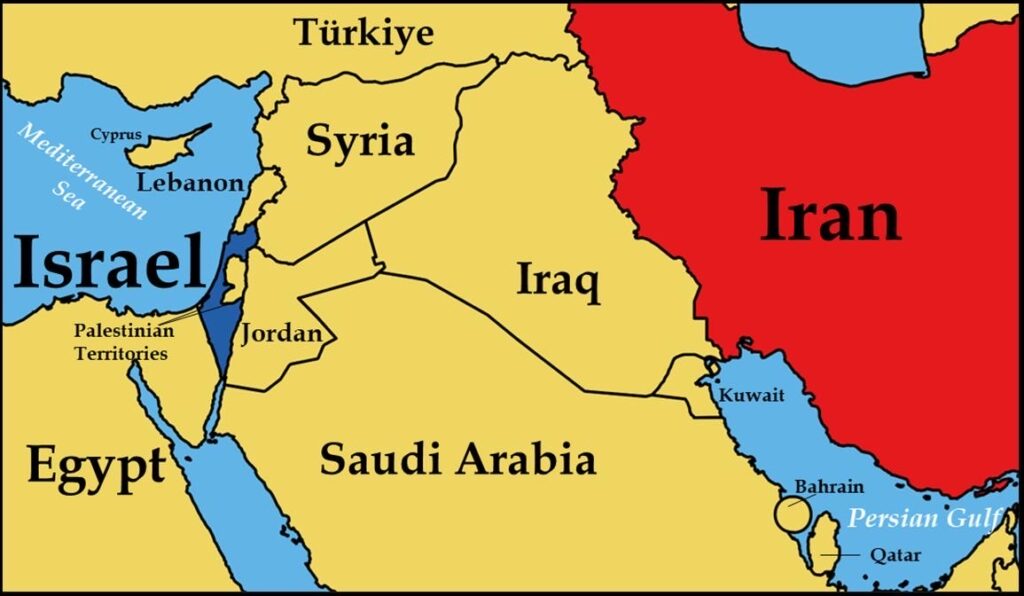
Iran and Israel are still involved in tensions, but now there are talks about a possible ceasefire.
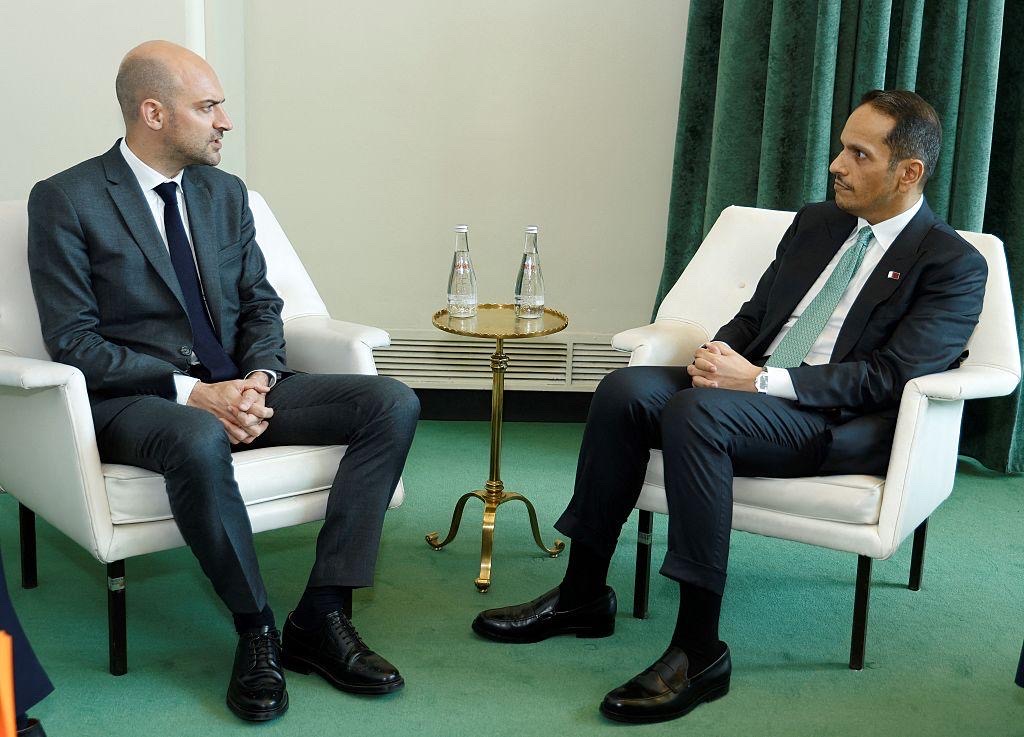
World leaders are trying to help both sides reduce conflict and start peaceful discussions.
These talks are very important because they can affect peace in the Middle East and also the global economy.
Why this matters to the world
The Iran–Israel situation is not only a regional conflict — it has global consequences that affect energy, security, and international stability.
⛽ 1. Global Oil Prices and Energy Security
The Middle East plays a key role in global oil supply. Any escalation in the conflict can:
- Disrupt oil shipments
- Push global fuel prices higher
- Increase inflation in many countries
Even rumors of instability often move global energy markets.
🚢 2. Shipping Routes and Trade Risks
Critical maritime routes such as the Strait of Hormuz and Red Sea corridors are vital for global trade.
If tensions rise:
- Shipping delays increase
- Insurance costs for cargo rise
- Global supply chains become more expensive and slower
📉 3. Impact on Global Markets
Financial markets react quickly to geopolitical instability:
- Stock markets become volatile
- Investors move toward “safe assets” like gold
- Business uncertainty increases worldwide
🛡️ 4. Risk of Wider Regional Conflict
One of the biggest concerns is escalation:
- More countries or proxy groups could become involved
- Conflict could spread beyond Iran and Israel
- It increases the risk of a prolonged regional war
🌍 5. Diplomatic Pressure on Global Powers
Major countries are forced to respond:
- Push for emergency diplomacy
- Balance alliances carefully
- Try to prevent wider instability
This makes the conflict a global diplomatic priority, not just a regional issue.
🧭 In Simple Terms
What happens between Iran and Israel can quickly affect:
fuel prices, global trade, markets, and international security.
🧭 WHAT HAPPENS NEXT?
The situation between Iran and Israel remains highly uncertain, and the next steps depend mainly on whether diplomacy can hold or tensions escalate further.
🕊️ 1. Possible Temporary Ceasefire
One likely short-term outcome is a limited or temporary pause in fighting, especially if international pressure increases.
However:
- It may not be fully stable
- Violations could happen quickly
- It would likely be short-lived without a broader agreement
⚔️ 2. Risk of Further Escalation
If talks fail or tensions rise again:
- Strikes and counter-strikes could continue
- Regional allied groups may become more involved
- The conflict could expand across multiple fronts in the Middle East
This is currently one of the biggest concerns for global observers.
🕊️ 3. Long-Term Diplomatic Deal (Uncertain)
A broader peace or de-escalation framework would require:
- Security guarantees for both sides
- Economic and political concessions
- Strong international mediation
While this is the most stable outcome, it is also considered the least likely in the short term.
📊 SUMMARY OUTLOOK
At this stage, the situation can move in three directions:
- Temporary calm with fragile ceasefire
- Continued regional escalation
- Slow and difficult diplomatic progress
🧭 BOTTOM LINE
The coming days are critical. Whether the situation stabilizes or worsens will depend on ongoing diplomatic efforts and actions on the ground.
Suggested Internal Links
- 👉 Iran–Israel Conflict Full Timeline
/iran-israel-conflict-timeline - 👉 Middle East Latest News Updates
/middle-east-news
Suggested External links